NASA’s forthcoming NG-25 cargo mission will carry experiments on crop production and human brain tissue to the International Space Station. In a report published on 27 November, the agency describes research intended to support longer stays in space while also informing work on Earth. The investigations come from NASA’s Biological and Physical Sciences Division.
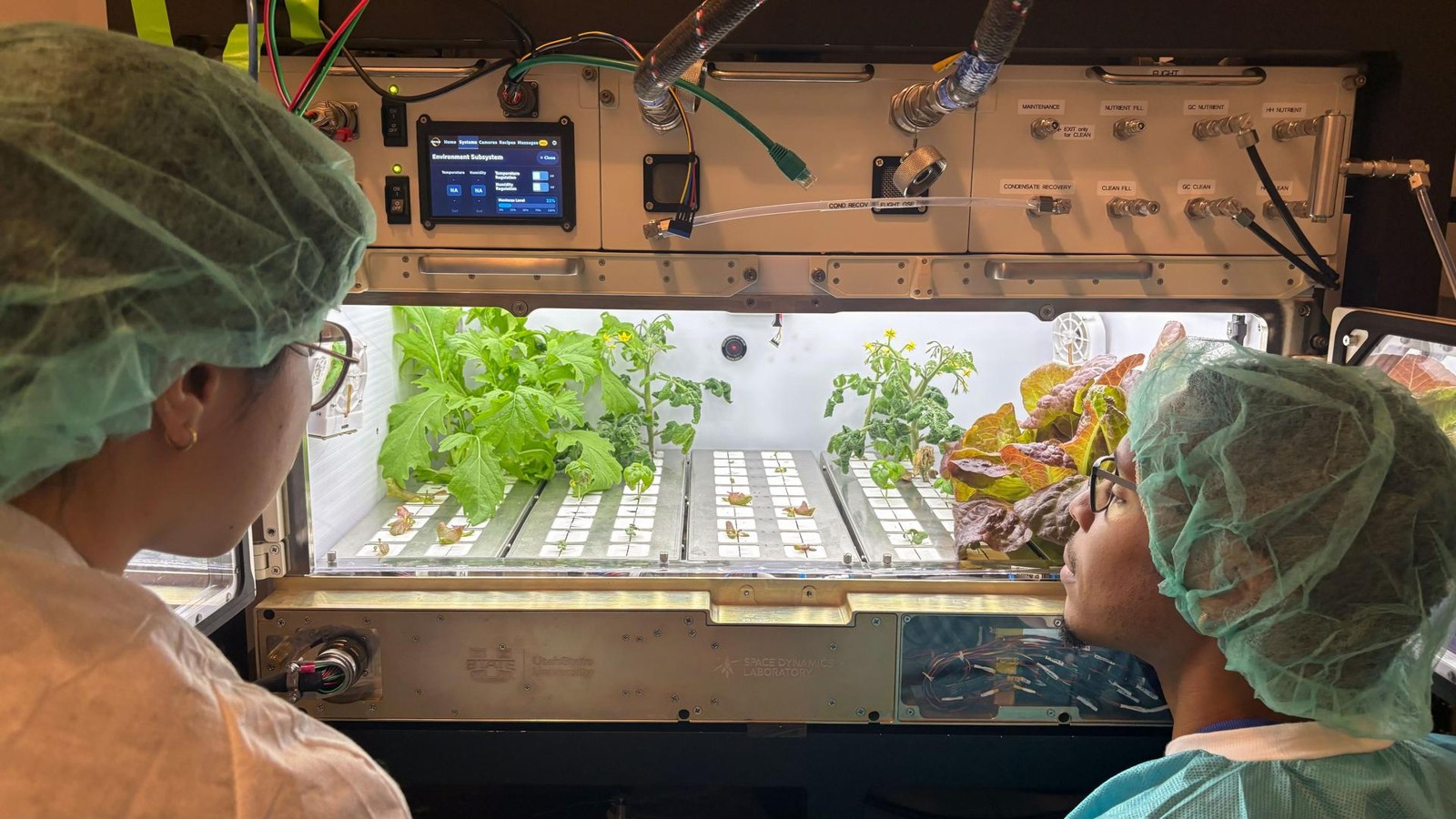
The flight is Northrop Grumman’s 25th Commercial Resupply Services mission for NASA. Among its planned payloads is Ohalo III, a prototype growth chamber designed to investigate how crops can be produced in microgravity. The agency presents it as part of the effort to develop dependable food supplies for astronauts travelling farther from Earth.
The crop experiment will test water delivery and the efficient use of the chamber’s available growing volume. Those are practical design questions for a production system that would need to supply safe, nutritious food in a space habitat. The report describes technology validation, rather than announcing that a complete food-production system for the Moon or Mars is already operational.
NASA says the findings could contribute to crop-production strategies for future Moon Base habitats and Mars missions. Sustainable food supplies would help astronauts remain away from Earth for longer. The chamber’s work is therefore linked to future exploration planning, although the source does not claim that this individual experiment will resolve every challenge of feeding a long-duration crew.
The possible applications are not limited to spaceflight. Knowledge gained from the system could help inform vertical farming and indoor growing on Earth. NASA frames those as potential benefits of the research, not as demonstrated improvements in commercial crop yields or as a finished agricultural product.
A separate investigation aboard the station will test a miniature fluid-handling system for lab-grown models of human brain tissue. It builds on earlier research that sent small models called miBrains into space. The new equipment is designed to mix, deliver and maintain the nutrient-rich liquid required to keep those tissues alive during longer studies.
Maintaining the tissue models is an enabling step for research, rather than a medical result in itself. NASA says the findings could support work on neurological risks associated with spaceflight and strategies to protect astronauts. The same research approach may also advance human tissue studies and neurological disease modelling on Earth.
Together, the two investigations address different aspects of sustained human activity in space: producing food and studying health. The 27 November report sets out what NASA intends to test aboard the station. It does not provide completed experimental results, demonstrate a new treatment or confirm the performance of either system during the forthcoming mission.