
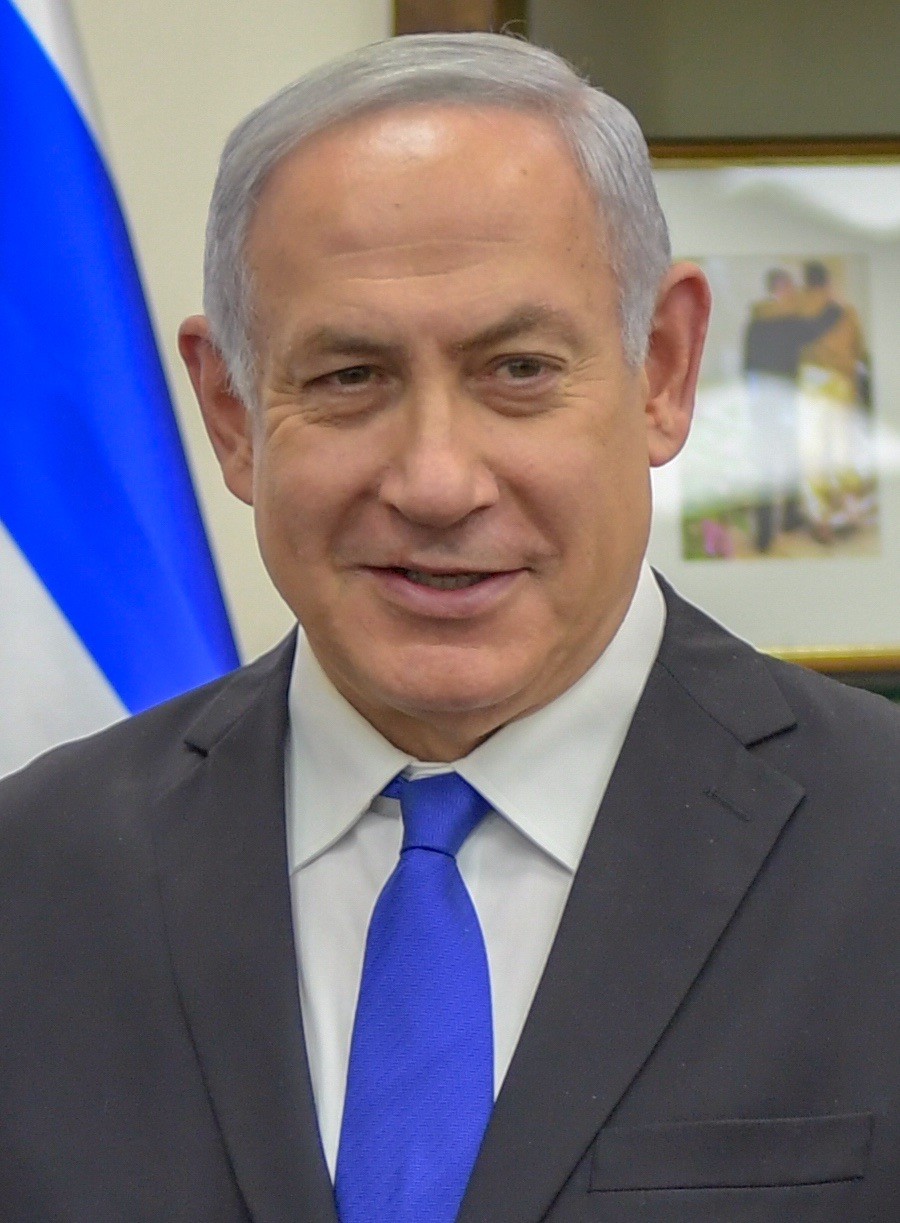
Israeli caretaker prime minister Benjamin Netanyahu and Gadi Eisenkot are preparing for coalition talks on the morning of 29 November, following an offer to share the premiership. AFP, reporting in The Straits Times, says Netanyahu’s Likud party announced that the two men had agreed to meet at 10am at a hotel in Herzliya. The announcement followed a telephone conversation between the rival leaders.
The proposed arrangement would put Eisenkot in office first, with Netanyahu initially serving as alternate prime minister. Netanyahu presented the offer in a social media statement late on 28 November. Eisenkot responded by inviting Netanyahu and his negotiating team to accelerated talks, saying he wanted to establish whether Likud was serious about reaching a unity agreement. Neither statement amounted to a completed coalition deal.
The negotiations follow an inconclusive election in late October. Neither principal bloc secured a parliamentary majority, and President Isaac Herzog gave Eisenkot the task of forming a government after consulting the parties. Eisenkot’s centrist Yashar party has since pursued several possible combinations, including negotiations with parties opposed to Netanyahu and with Likud itself.
The arithmetic remains difficult. According to AFP, Yashar had already reached coalition agreements with the left-leaning Democrats and the right-wing Israel Beiteinu party. Together, those parties held 36 seats, well below the 61 required for a majority in the 120-member parliament. Additional partners or parliamentary support would therefore be necessary to form a majority government.
Eisenkot’s wider camp has also faced disagreements about which partners to approach. The options described in the report include working with ultra-Orthodox parties, relying on Arab-majority lists, or reaching a unity agreement with Likud. Those choices involve political differences within the camp, not simply a calculation of how many seats each party can supply.
The talks take place against a background of mutual distrust. On 27 November, Eisenkot accused Likud of delaying negotiations and failing to make a concrete proposal. The following day, he said a detailed proposal from his side had gone unanswered. Former prime minister Yair Lapid also criticised Netanyahu’s rotation offer, questioning whether an agreement would be honoured.
AFP additionally reports that Raam leader Mansour Abbas expressed willingness to take part in an Eisenkot-led coalition, either immediately or later. Abbas’s comments about Hamas were relevant because Eisenkot had made condemnation of the group a condition for joining. The report describes possible routes to a coalition, rather than confirming that those parties had joined one.
Eisenkot had said he intended to announce a government by the official 6 December deadline without taking an available 14-day extension. At the source’s last update on 28 November, the Herzliya meeting was still scheduled for the following morning. Its outcome, the final allocation of offices and any binding rotation terms were not established in that reporting.